Mixing Decor Styles How to Avoid a Messy Look?

Time:2026-08-18 Author:Henry
0%

In the world of interior design, the challenge of mixing decor styles is both exciting and daunting. Many homeowners aim to create a harmonious space that reflects their unique tastes. However, achieving this without ending up with a chaotic look can be tricky. As interior design expert Jamie Durie emphasizes, "To successfully mix decor styles, balance and cohesion are key." This highlights the need for a thoughtful approach when blending different aesthetics.

Understanding how to mix different decor styles without looking messy involves more than just throwing various elements together. It requires a keen eye for detail and an appreciation for contrasts. Incorporating textures, colors, and shapes thoughtfully can create visual interest. Yet, too many mismatched items can lead to confusion rather than charm.

Consider the role of a unifying color palette. This can tie disparate styles together, making the space feel coherent. However, it’s essential to avoid overwhelming the eye with too many patterns or colors. Small, deliberate choices can pave the way for a well-curated interior. Reflect on your own style. Are you blending rustic warmth with modern minimalism? Finding that balance is crucial for a polished look.
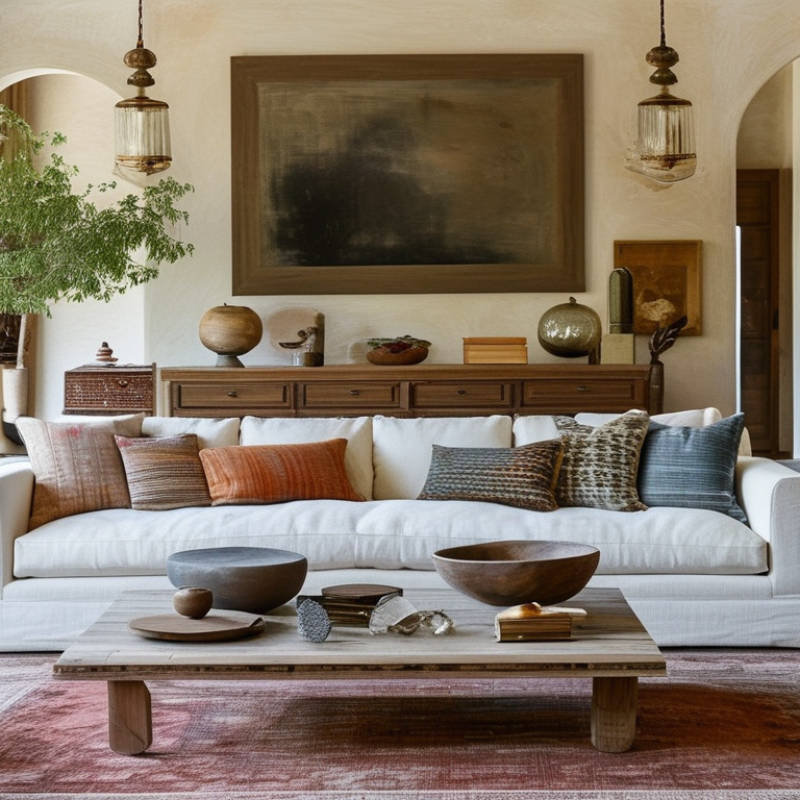
Mixing Decor Styles How to Avoid a Messy Look?

Understanding the Basics of Mixing Decor Styles

Mixing decor styles can create a vibrant and unique space. However, it’s crucial to understand the basics before diving in. Start with a common thread that connects your chosen styles. This could be a color palette, similar textures, or shared design elements. For instance, if you love mid-century modern and bohemian styles, choose a few colors that appear in both aesthetics.

Tip: Choose a focal point. This can help anchor the room. A bold piece of art or a statement furniture item can draw attention and provide balance. Layering textures is also key. Combining wood, metal, and textiles can add depth and interest without overwhelming the senses.

Remember, not every piece has to match perfectly. Embrace the imperfections that come with mixing styles. They often tell a story, showcasing your personality and travels. However, it’s essential to avoid clutter. Too many contrasting elements can lead to chaos. Limit your color schemes and use negative space to ensure the room feels cohesive.

Tip: Regularly assess your space. Take a step back and see how each element interacts. If something feels off, don’t hesitate to make adjustments. This process is about finding harmony amidst variety.

Mixing Decor Styles: Popular Styles and Their Usage

Identifying a Unifying Theme for Your Space

Identifying a unifying theme for your space is crucial when mixing decor styles. According to a study by the National Kitchen and Bath Association, 65% of homeowners prioritize a cohesive design over eclectic combinations. This statistic highlights the importance of a focused aesthetic.

To achieve harmony, start with a common color palette. Choose two or three dominant colors and use them throughout the space. Textures also play a vital role. A mixture of soft fabrics with hard surfaces can create depth without feeling chaotic. Consider incorporating natural elements. Wood, stone, and plants can unify different design styles.

Pay attention to scale and proportion. An oversized piece may clash with smaller decor. This imbalance can create a cluttered appearance. Not every corner needs decor. Empty spaces can emphasize your chosen theme. It's essential to find a balance that feels intentional. A thoughtfully curated mix can be visually appealing yet unique.

Mixing Decor Styles: How to Avoid a Messy Look?

Style Characteristics Color Palette Key Elements
Modern Clean lines, minimal accessories Neutrals, bold accents Geometric shapes, metal finishes
Bohemian Eclectic, layered textures Rich colors, earthy tones Vintage fabrics, plants
Industrial Raw materials, functional design Grays, blacks, metallics Exposed brick, steel fixtures
Farmhouse Cozy, rustic charm Whites, pastels Wooden elements, vintage decor
Scandinavian Simplicity, functionality Light woods, cool colors Natural materials, cozy textiles

Balancing Color Palettes Across Different Styles

Mixing decor styles can be thrilling yet challenging. Balancing color palettes is crucial for a cohesive look. Start by choosing a dominant color. This color should flow through the different styles you select. For instance, if you have rustic wood furniture, a deep blue accent can tie it all together.

Consider textures as you mix styles. Soft fabrics can soften the edges of industrial pieces. A plush throw on a metal chair invites comfort. However, beware of clashing colors. Test them against each other before committing. A vibrant red against a pastel palette may feel chaotic.

Limit your color palette to three main hues. This creates harmony and reduces visual noise. Accessories can help; choose items that incorporate those core colors. A wall art piece with shades of your palette can bridge various styles. Yet be open to adjustments. Sometimes, what seems perfect at first can feel off later. Keep evaluating your space as it evolves.

Selecting Complementary Furniture Pieces

Mixing decor styles can create a vibrant and unique space. However, selecting complementary furniture pieces is crucial for harmony. Start by identifying a dominant style, such as modern or vintage. This choice sets the foundation for your design.

When choosing additional pieces, look for patterns or colors that resonate with your dominant style. For instance, a vintage armchair can pair beautifully with a modern side table if the colors match. The key is to create a visual conversation. Pieces with shared tones or materials can bridge different styles without overwhelming the room.

Avoid overcrowding your space with too many contrasting elements. An eclectic mix can quickly feel chaotic if balanced poorly. Reflect on how each item feels in the room. Sometimes, the most beautiful layouts come from removing one or two pieces that disrupt the flow. A well-thought-out selection process leads to a cohesive look that feels both intentional and inviting.

Incorporating Accessories for a Cohesive Look

Mixing decor styles can seem daunting, but accessories play a key role in achieving a cohesive look. Start by selecting a common theme for your accessories. For instance, if your main style is modern, incorporate sleek metal items alongside a few vintage-inspired decor pieces. This approach can create harmony despite differing styles.

Color coordination is essential. Choose accessories in a cohesive color palette that ties various styles together. A bright pop of color can unify contrasting elements, but be cautious. Too many colors can lead to chaos. Also, consider texture. Mixing smooth and rough surfaces can add depth, but overdoing it may feel overwhelming. Balance is crucial.

Reflect on the emotional connection you have with your chosen pieces. Selecting items that resonate with you will naturally create a more unified look. Remember, it's okay to make mistakes. You might try combining a rustic piece with a sleek one, only to find they don’t work together. Embrace the trial-and-error process. It's an essential part of creating a space that truly reflects your personality.

FAQS

: Why is a unifying theme important for decor?

: A unifying theme creates harmony. It helps combine different styles into a cohesive design.

How many colors should I choose for my space?

Two or three dominant colors are ideal. They should be used consistently for visual balance.

What role do textures play in decor?

Textures add depth. Mixing soft fabrics with hard surfaces keeps the look inviting and varied.

How can I incorporate natural elements?

Use wood, stone, and plants. They create connection and can unify diverse design styles.

What should I consider regarding scale and proportion?

Balance is key. Oversized pieces can clash with smaller decor, leading to a cluttered look.

How can empty spaces enhance my design?

Empty spaces emphasize your theme. They prevent overcrowding and can create a more intentional feel.

What is the first step in selecting furniture pieces?

Identify a dominant style, like modern or vintage. This sets the foundation for your selection.

How do I ensure my furniture pieces complement each other?

Look for matching patterns or colors. Shared tones help blend styles without overwhelming the space.

What should I avoid when mixing decor styles?

Avoid overcrowding with too many contrasting elements. This can lead to chaos rather than beauty.

How can I achieve a cohesive look in my decor?

Reflect on each item's impact. Sometimes removing a piece can enhance flow and harmony.

Conclusion

Mixing decor styles can create a unique and personalized space, but it requires a careful approach to avoid a messy look. To successfully blend different styles, it’s essential to understand the basics of each style you are considering. Start by identifying a unifying theme for your space that ties all elements together, ensuring that despite the variety, there is a common thread that links them.

Balancing color palettes is crucial; choose a cohesive range of colors that harmonizes across different styles. When selecting furniture, look for pieces that complement each other rather than clash, focusing on balance and proportion. Finally, incorporating accessories strategically can enhance the overall aesthetic, bringing together the diverse elements in a cohesive way. In summary, knowing how to mix different decor styles without looking messy involves careful planning and attention to detail, allowing for creativity while maintaining visual harmony.

Henry

Henry

Henry is a dedicated marketing professional with a profound expertise in the company's offerings. With years of experience in the industry, he possesses an impressive understanding of the market dynamics and consumer behaviors that drive success. Henry is committed to sharing his insights through......